
This post may contain affiliate links, which means I may receive a small commission at no extra cost to you if you make a purchase. Read our Privacy Policy here.
Are you wondering how some families seem to take vacations every year without putting everything on a credit card?
People ask us all the time how we’re able to travel throughout the year, especially while working full-time jobs and managing everyday bills.
The truth is, we don’t use credit cards or take out loans to pay for our vacations.
Since my husband, the kids, and I have always taken trips together, I wanted to share exactly how we’re able to plan vacations without creating more debt.
It isn’t because we’re rich or have a huge travel budget. It’s because we plan, save, and make small financial changes throughout the year that allow us to enjoy vacations without the stress of paying for them later.
If you’ve been putting off your next family vacation because you think it’s too expensive, I hope these tips encourage you.
Our family has learned that traveling doesn’t always have to cost thousands of dollars. Sometimes it’s simply about having a plan, staying consistent, and making a few sacrifices now so you can enjoy making memories later.
Before You Start Saving, Know What Your Vacation Will Cost
Before you start putting money into a vacation fund, you need to know how much money you’ll actually need. Many people start saving without having a goal in mind. Then, when it’s time to book the trip, they realize they didn’t save enough.
Instead, spend a little time researching your vacation first.
Think about questions like:
- Where do you want to go?
- Will you be driving or flying?
- How many people are traveling?
- How many nights will you stay?
- Will you stay in a hotel or a vacation home?
- What activities do you want to do?
- How much do you want to spend on food?
Once you answer those questions, you’ll have a much better idea of your vacation budget.
Don’t forget to include expenses like:
- lodging
- gas
- parking
- groceries
- restaurants
- activities
- shopping
- taxes and fees
- souvenirs
- emergency spending money
I always recommend adding a little extra to your budget just in case something unexpected comes up. Having a savings goal makes it much easier to stay motivated.
We Opened a Separate Vacation Savings Account
One thing that has helped us is opening a completely separate savings account just for vacations. Every paycheck, we automatically put money into that account.
If we already know when we want to travel, we’ll figure out how much we need and divide that amount by the number of paychecks we have before our trip.
For example, if we need $2,400 for a vacation and have twelve paychecks before we leave, we know exactly how much needs to go into our savings every payday.
Because the money is in a separate account, we’re less tempted to spend it on everyday expenses. We treat that account like it doesn’t exist until it’s time to book our vacation.
Even if you can only save $25 or $50 each paycheck, it adds up over time. The important part isn’t how much you start with; it is building the habit of saving consistently.
We Cook More Meals at Home
The biggest way we save money for vacations is by cooking at home. If you’re wondering how we’re able to save every month, this is one of the first places we look.
Instead of going out to restaurants every week or every other week, we make most of our meals at home. Sometimes we’ll still treat ourselves, but it isn’t something we do all the time.
If we’re craving restaurant food, we’ll often buy the ingredients at the grocery store and make something similar ourselves. Most of the time, it costs less, and we have enough food for leftovers.
Those leftovers usually become lunch for work the next day or dinner another night. If we don’t eat everything, we freeze the extra food so we have another meal ready for the future.
When you really think about it, one dinner at a restaurant can easily cost enough to buy groceries that last your family several days.
Those small decisions make a big difference over an entire year. The money we don’t spend eating out becomes money we can use toward our next vacation.

We Review Our Budget Every Few Months
Every three months, we sit down and look at our finances.
We ask ourselves questions like:
- What are we spending money on?
- Are there any bills we can reduce?
- Have our spending habits changed?
- Are we still on track for our vacation savings goal?
Doing this helps us catch little expenses before they become big ones.
Sometimes we’re surprised to see how much money has slowly started disappearing each month. Checking in every few months helps us stay focused on what matters most.
For us, that’s creating memories together instead of spending money on things we won’t even remember a few months from now.
Cancel Unnecessary Subscriptions
Another thing we do is keep a close eye on our monthly subscriptions. It’s surprising how easy it is to forget about subscriptions that automatically come out of your bank account every month.
Every few months, we go through our bank statement and ask ourselves if we’re actually using everything we’re paying for. If the answer is no, we cancel it.
Those monthly charges may not seem like a lot, but when you add them together over an entire year, they can become hundreds of dollars. Think about streaming services, apps, memberships, music subscriptions, cloud storage, or anything else that’s automatically charging your account each month.
Ask yourself, “Would I rather have this subscription, or would I rather put that money toward my next vacation?” The answer is easy.
The money we save by canceling unnecessary subscriptions goes directly into our vacation savings account instead.
Watch Out for Impulse Spending
One thing that can slow down your vacation savings is impulse buying. We’ve all done it.
You walk into the grocery store for one or two things and somehow leave with a shopping cart full of items you never planned on buying.
Or maybe you’re scrolling online and see something on sale. Before you know it, you’ve spent money that could have gone toward your vacation.
That doesn’t mean you can never shop. I’m just saying, be more intentional with your purchases; that helps us by making a shopping list before we leave the house.
Also, we aren’t the married couple that goes shopping just because we’re bored.
When we remind ourselves that every dollar saved gets us one step closer to our next vacation, it becomes much easier to leave unnecessary purchases behind.
We Look for Deals Instead of Spending More
Taking a nice vacation doesn’t always mean spending the most money. Instead of looking for the most expensive place to stay, we look for the best value.
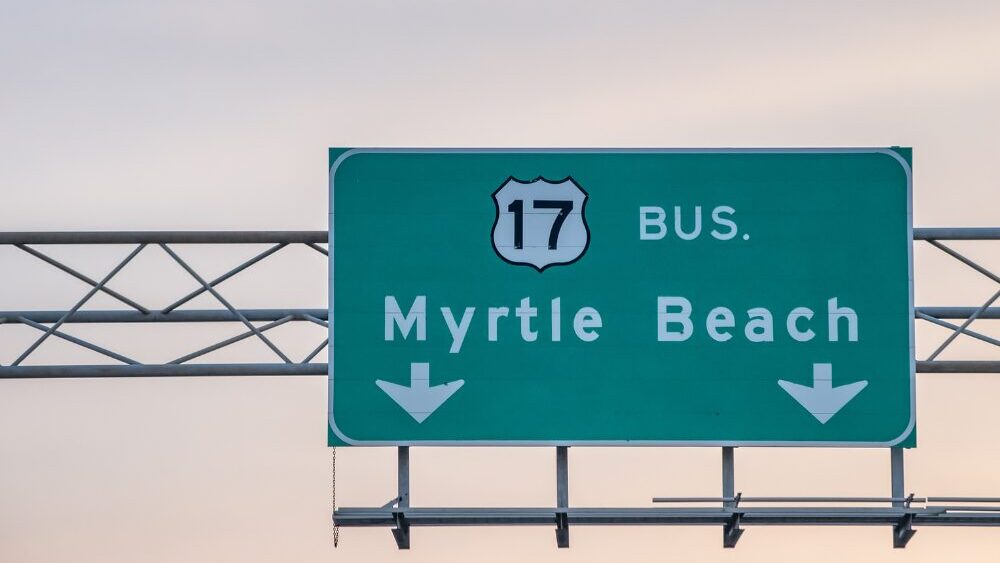
Sometimes that’s a vacation home like the condo we stayed in in Myrtle Beach. Other times it’s a hotel in Panama City Beach, Florida. It all depends on the trip, how many people are traveling, and how long we’ll be staying.
For family trips, we usually prefer vacation homes. Having a kitchen, washer and dryer, multiple bedrooms, and extra living space makes the trip much more comfortable.
We can cook breakfast before heading out, prepare a few dinners, and keep drinks and snacks in the refrigerator. That alone can save hundreds of dollars compared to eating every meal at restaurants.
With shorter trips, hotels or resorts sometimes make more sense. If we’re only staying one or two nights, a hotel can actually cost less than booking a vacation home.
The key is comparing your options before you book. Don’t automatically assume one is always cheaper than the other. Compare prices, look at what’s included, and think about what works best for your family.

Paying Off Debt Can Help You Travel More
If you’re struggling to save money for vacations, take a close look at your debt.
Credit cards often have some of the highest interest rates. That means every month you’re paying interest instead of putting that money toward your goals.
As you begin paying off those balances, you’ll eventually free up money to go into your vacation savings account.
For some families, that could mean an extra $100, $200, or even more every month. Imagine putting that amount into savings instead of sending it to a credit card company.
That’s one of the reasons we try to avoid creating unnecessary debt in the first place. The less money you owe, the more flexibility you have to save for experiences that create lasting memories.
A Smaller Vacation Is Still a Vacation
One thing I’ve learned is that you don’t have to spend thousands of dollars to have a great vacation. There are so many beautiful destinations within driving distance that make wonderful family getaways.
Here are a few destinations within a 4-hour drive from Atlanta, Georgia, for a road trip.
Sometimes we’ll take a road trip instead of flying somewhere. Other times we’ll stay a few nights instead of taking a full week off. The important part isn’t how far you travel. It’s spending quality time together.
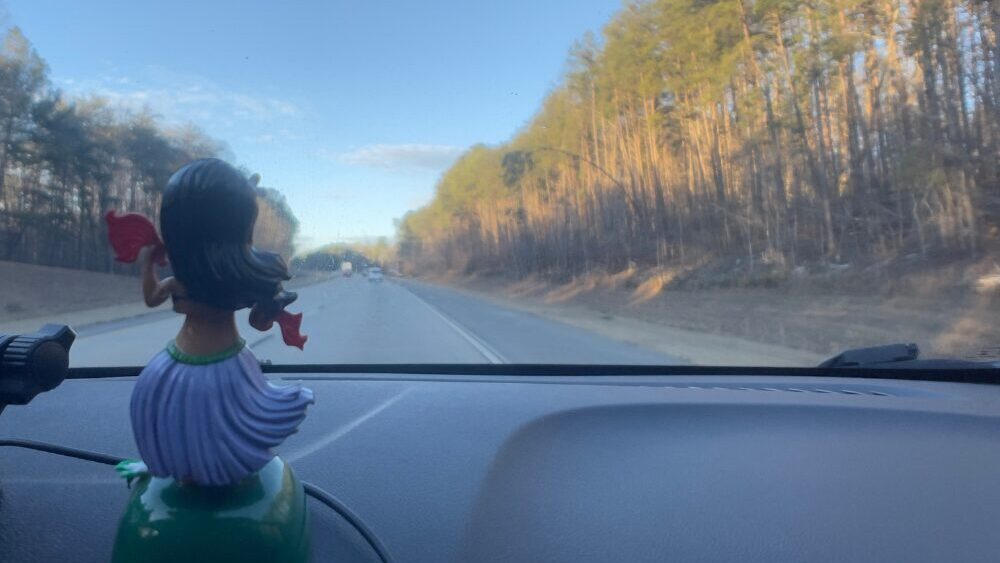
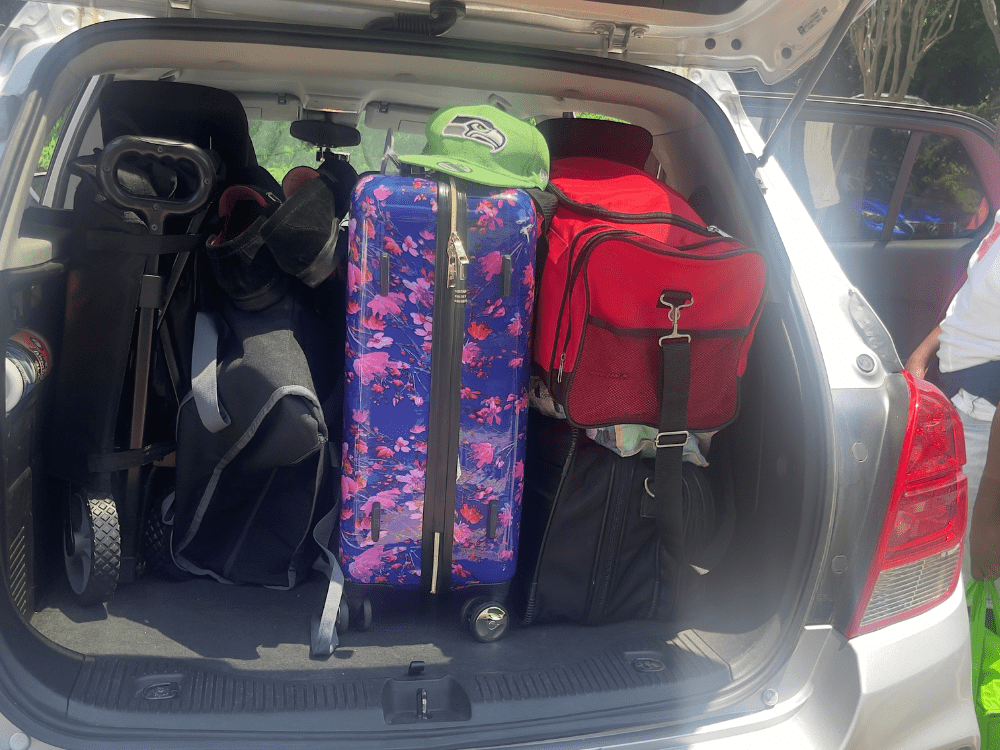
Some of our favorite vacations have been simple road trips where we packed the car, stayed in a vacation home, explored a new town, relaxed at the beach, and enjoyed being away from our normal routine.
Those trips gave us memories we’ll always have, and they didn’t require us to go into debt. Remember, every vacation doesn’t have to be your biggest vacation.
A weekend getaway, a three-night road trip, or a few days exploring somewhere new can be just as meaningful.
Save Every Paycheck
One of the easiest ways to stay on track is to make saving part of your routine. Every paycheck, move money into your vacation savings account before you have a chance to spend it.
Even if it’s only a small amount, consistency matters more than perfection. Some paychecks you may be able to save more; other times you may only be able to save a little. The important thing is not stopping.
Over time, those small deposits grow into something much bigger. Before you know it, you’ll have enough saved to start booking your vacation without needing to borrow money or rely on credit cards.
Your future self will thank you for starting today instead of waiting until next month.
Start Small and Stay Consistent
I’ve learned over the years that you don’t have to save thousands of dollars overnight; just start with what you can afford.
If that’s $20 a paycheck, start there. If it’s $50 or $100, that’s great too. The amount isn’t as important as creating the habit.
Life happens. Unexpected expenses come up, bills increase, and sometimes you may have to slow down your savings for a little while. But that’s okay. Don’t get discouraged and don’t give up on your vacation goal.
When things settle down again, simply start saving again. Every little bit gets you one step closer to taking that family vacation you’ve been dreaming about. We had to take money from the vacation savings for an emergency, but we started saving again.
Use a Vacation Planner to Stay Organized
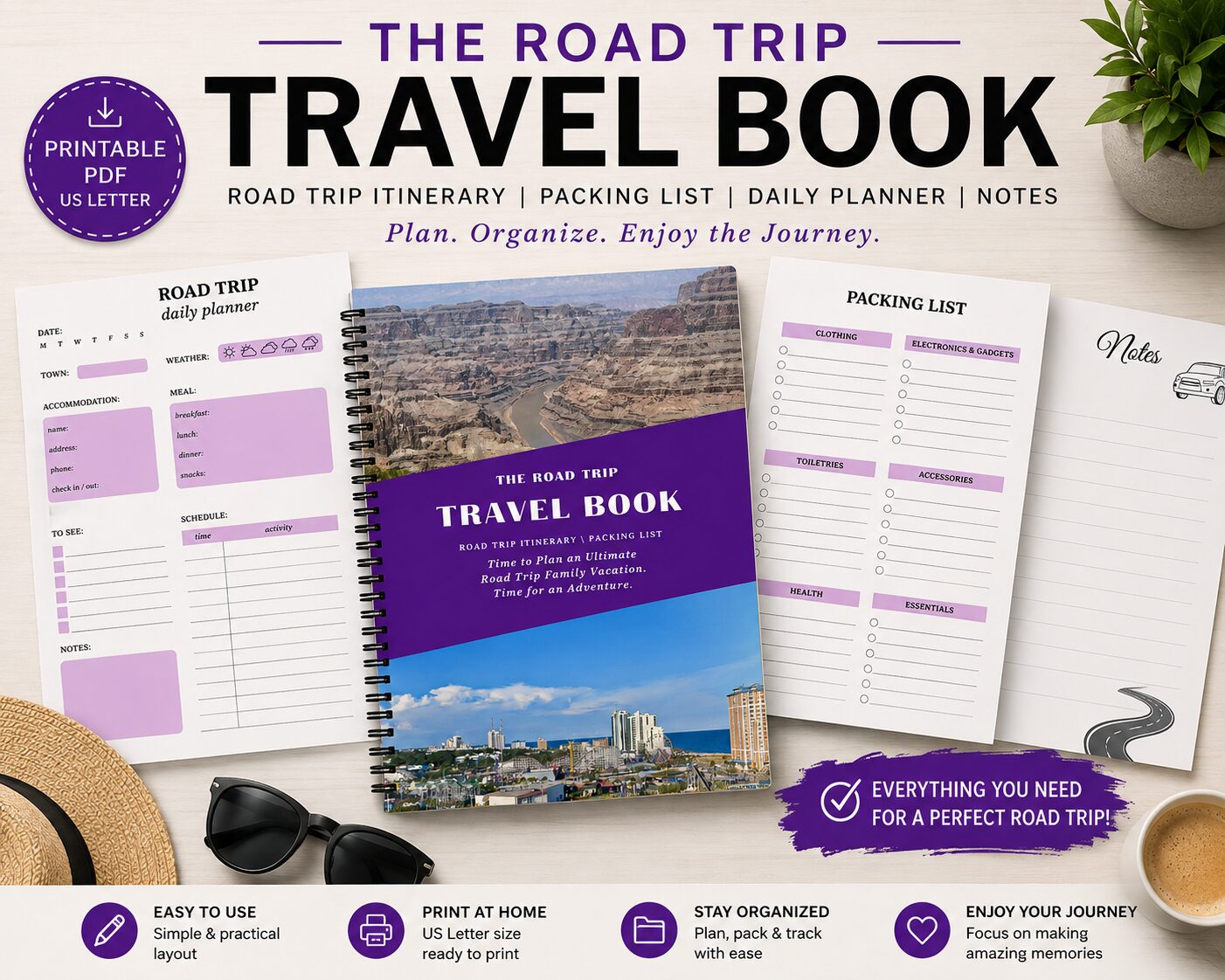
Another thing that helps us stay on track is writing everything down.
Whether you use a notebook, planner, spreadsheet, or notes app on your phone, having a plan makes saving much easier.
Keep track of:
- Your vacation savings goal
- How much you’ve already saved
- Estimated hotel or vacation home costs
- Gas or transportation expenses
- Grocery budget
- Restaurant budget
- Activities you want to do
- Extra spending money
Seeing your progress can be very motivating.
Instead of wondering if you’ll have enough money, you’ll already know exactly where you stand before it’s time to book. If you’re like me, having everything organized also makes vacation planning much less stressful.
Try this FREE budget road trip travel planner!
Remember Why You’re Saving
When you’re tempted to spend money on something you don’t really need, remind yourself why you’re saving in the first place. For us, it’s about making memories together. Some of my favorite moments haven’t been expensive at all.
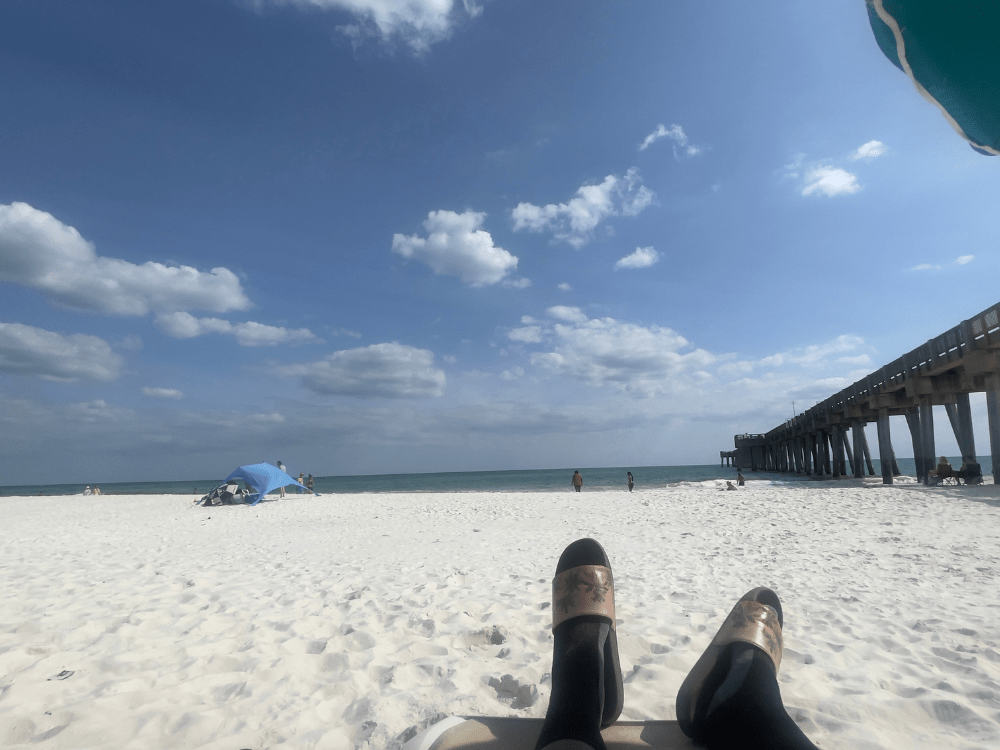
They’ve been sitting on the beach watching the waves, walking around a new town with my husband, cooking breakfast together in a vacation home, laughing during a road trip, or watching my family enjoy a place we’ve never visited before.
Those memories last much longer than another online purchase or another meal out that we’ll forget a few days later.
Saving for vacation isn’t about giving things up forever. It’s about making choices today that allow you to enjoy something even more later.
The Biggest Travel Lesson
The biggest lesson we’ve learned is that vacations don’t have to create financial stress. When we started planning, setting aside money every paycheck, and becoming more intentional with our spending, traveling became much more enjoyable.
Instead of worrying about how we would pay off a credit card bill after we came home, we were able to focus on relaxing and making memories together. That peace of mind is worth just as much as the vacation itself.
Travel should be something you look forward to, not something that leaves you stressed once it’s over. That’s why we’ve made saving first and traveling second part of how our family plans vacations.
One Last Tip
Now if you’re waiting until the “perfect time” to start saving, don’t; there will always be another bill, another expense, or another reason to put it off. The best time to start is today.
Maybe open a separate vacation savings account to keep the money away from your checking account.
Choose a destination, check hotel or vacation home prices, flight costs, or driving time, then figure out how much you’ll need. When you have an estimated amount, start saving a little every paycheck, and maybe a little more for activities and emergencies.
Before you know it, you’ll be booking your next family vacation without needing a loan or putting everything on a credit card.
Planning Your Next Family Road Trip?
Don’t leave without grabbing my FREE Budget Road Trip Travel Planner!
Inside you’ll find:
- Budget planning pages
- Packing checklists
- Road trip planning worksheets
- Travel organization pages
It’s designed to help you plan affordable family road trips while staying on budget.
Plus, you’ll receive the Lexie On The Go Newsletter, where I share road trip ideas, hotel recommendations, travel tips, and new blog posts to help families travel more while spending less.
Download Your FREE Budget Road Trip Travel Planner Here
Ready to Start Planning Your Next Vacation?
Saving for a vacation takes time, but it’s worth it.
Every dollar you save brings you one step closer to spending quality time with the people you love and making memories you’ll never forget. Whether you’re planning a weekend road trip, a relaxing beach getaway, or a family vacation a few states away, having a savings plan can make the experience much less stressful.
Our family has found that traveling without adding more debt gives us the freedom to truly enjoy our vacations.
I hope these tips encourage you to start your own vacation savings plan and show you that family travel can be possible, even on a budget.
You May Also Enjoy:
If you’re looking for more family travel inspiration, be sure to check out these helpful guides on Lexie On The Go:
- Panama City Beach Family Vacation From Atlanta
- Weekend Road Trips From Atlanta
- Hotel Booking Tips Everyone Should Know Before Reserving a Room
- Road Trip Packing List for Families
- Myrtle Beach Family Vacation Guide
You’ll find more budget-friendly travel tips, road trip ideas, hotel recommendations, and practical advice to help you plan your next getaway with confidence.
And if you enjoyed this article, share it with a friend or family member who’s dreaming about taking a vacation but isn’t sure where to start. You never know who might need a little encouragement to begin saving for their next adventure.
I’d Love to Hear From You!
How does your family save for vacations?
Do you have a favorite budgeting tip or money-saving habit that helps you travel more?
Share your ideas in the comments below! Your experience could inspire another family that’s trying to plan their next vacation.
Recent Post
- 15 Tips to Travel on a Budget Without Going Into Debt

- Panama City Beach Family Vacation From Atlanta: Road Trip Guide, Vacation Rentals, Beaches & Family Activities

- How Families in Atlanta Can Plan a Myrtle Beach Weekend for Under $1500

- Road Trip Safety Tips for Families Traveling in the Southeast

- 10 Exciting Road Trips from Atlanta Under 4 Hours




Leave a Reply